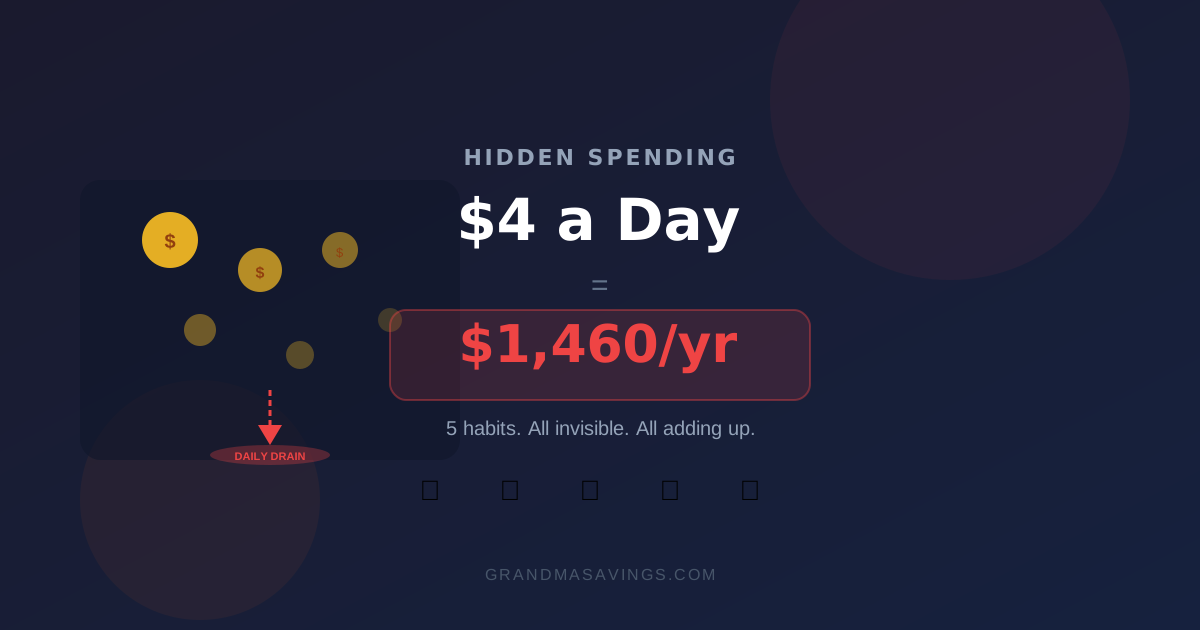
You're not bad with money. You just haven't done this math yet. Five small, invisible spending habits that cost most people over a thousand dollars a year — and the simple way to stop.
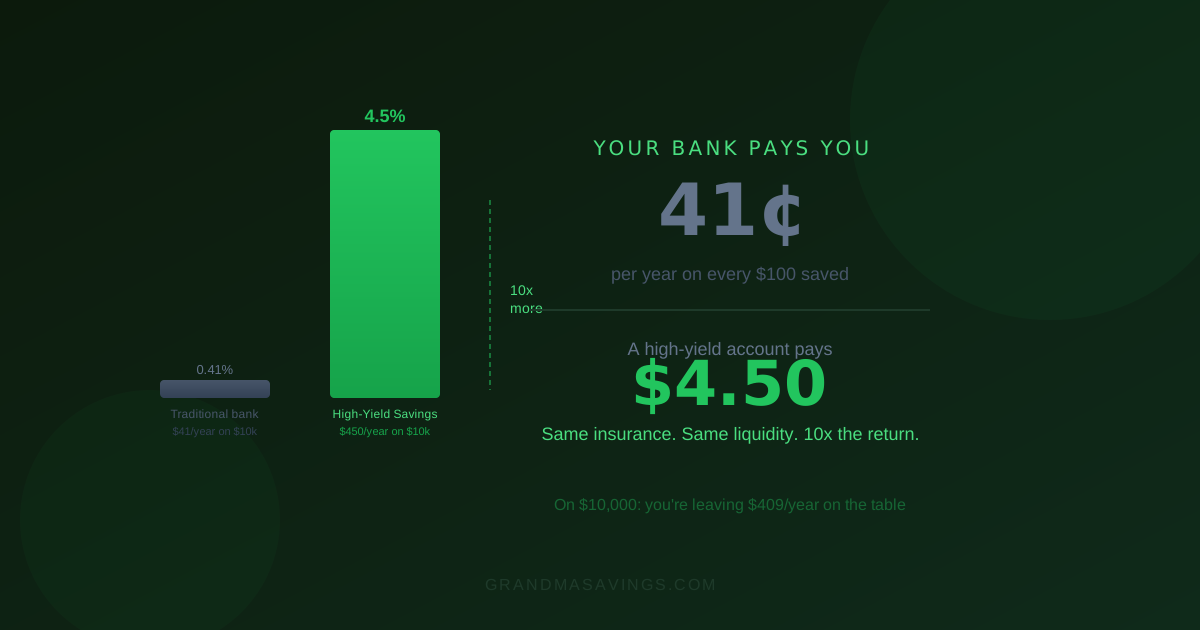
The average savings account pays 0.41% APY. High-yield accounts pay 4.5%. On $10,000, that's a $409 difference — every year — for doing nothing except switching accounts.
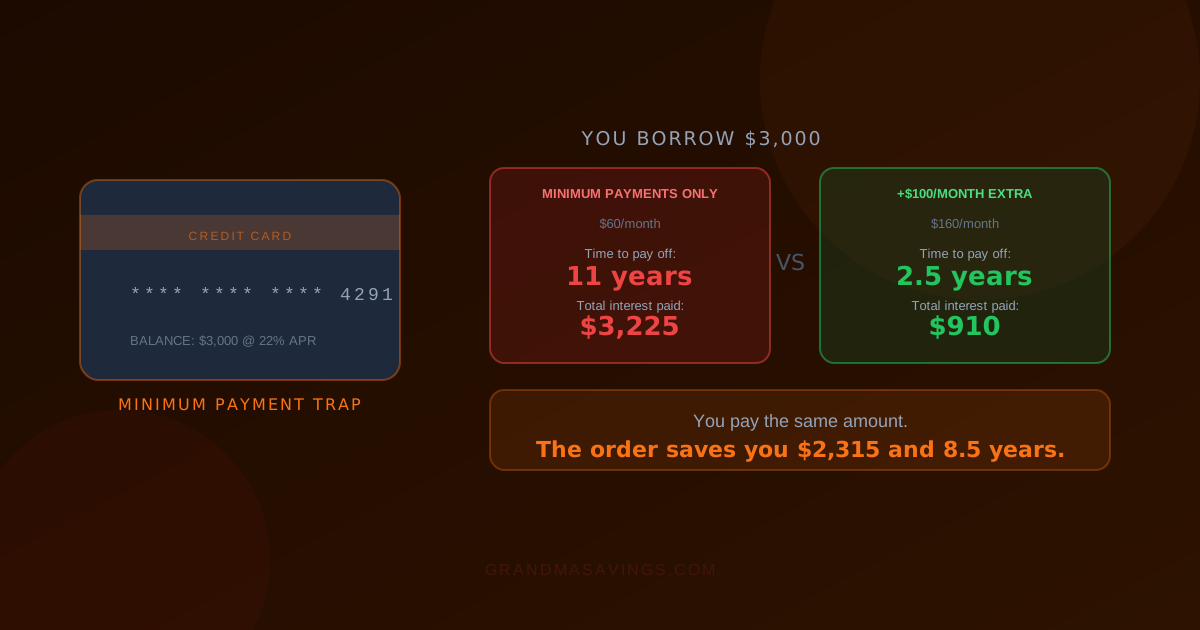
A $3,000 credit card balance paid at the minimum costs you $6,200 total and takes 11 years to clear. Here's the exact math — and a faster way out that doesn't require earning more money.
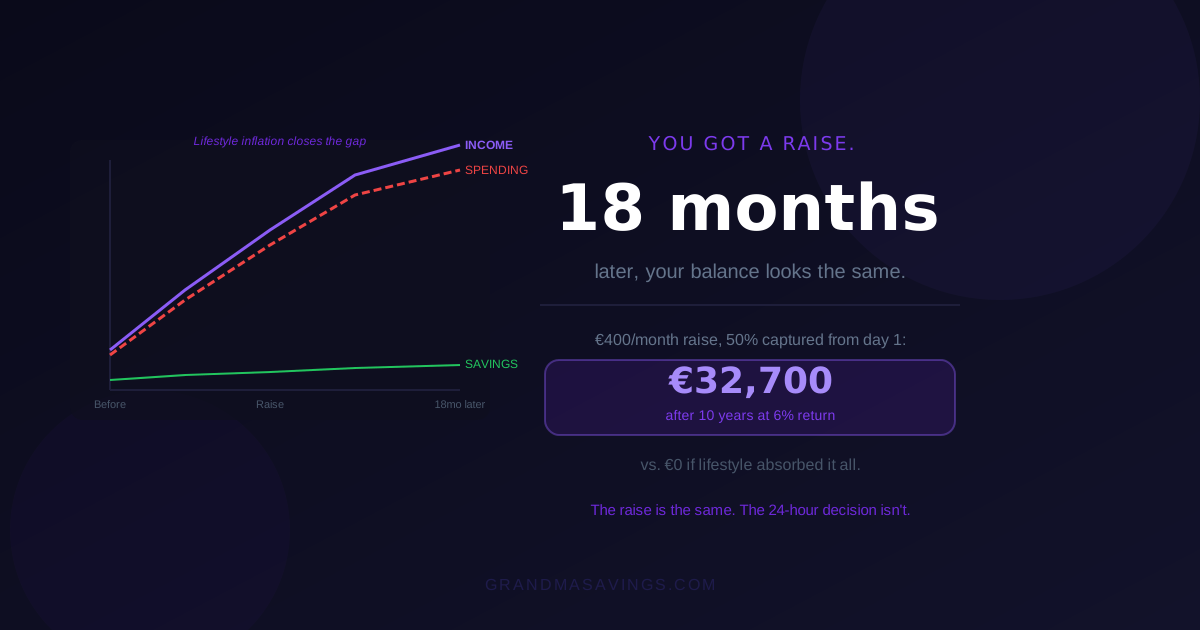
Lifestyle inflation silently absorbs every raise before you can save it. The average pay rise disappears within 90 days without a single conscious decision. Here's what's happening — and the system to stop it.
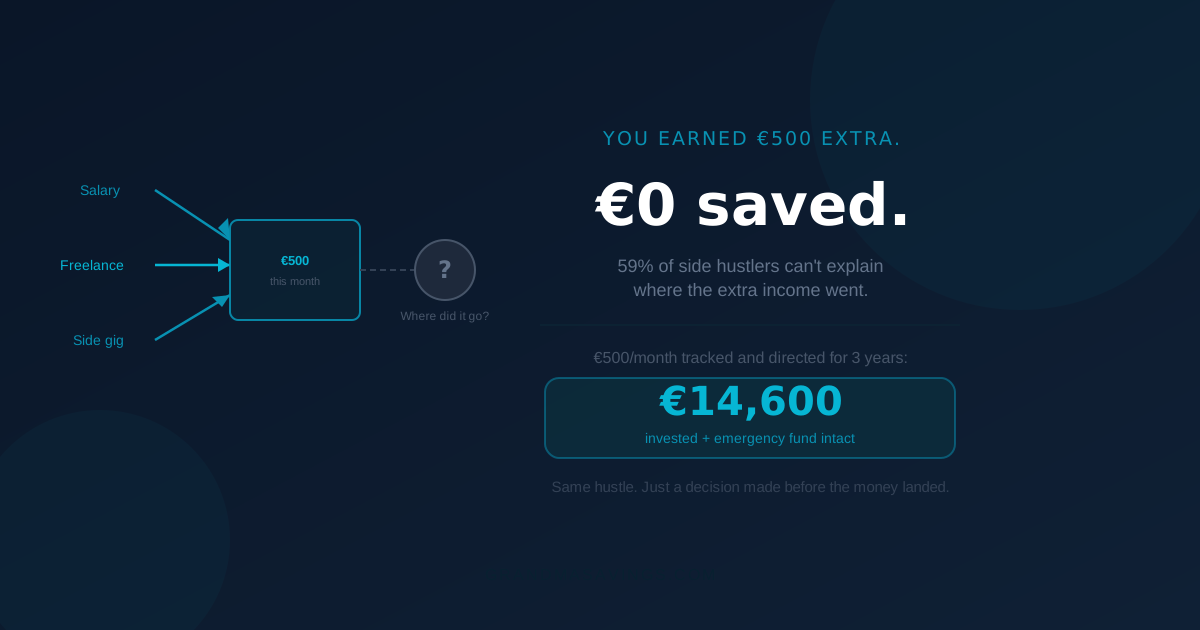
Side hustle income feels like found money — so the brain treats it like free money. 59% of people with multiple income streams can't account for where the extra goes. Here's the system that fixes that.
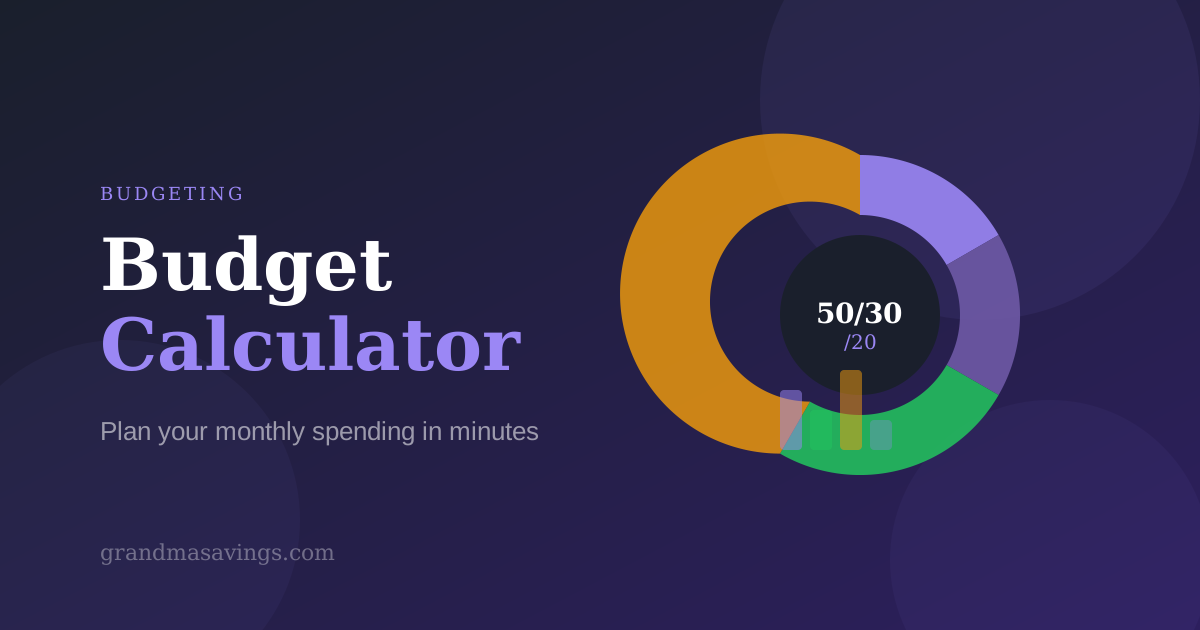
A budget calculator does the math so you don't have to. Learn how to set up your first real monthly budget in under 10 minutes — and why the 50/30/20 rule is the best starting point for most households.
A mortgage calculator shows your monthly payment — but that's only half the picture. Learn what lenders actually look at, how interest rate changes affect your payment, and the real cost of a 30-year mortgage vs. a 15-year one.
A car loan calculator reveals what dealers don't advertise: the total interest you'll pay, how the loan term affects your payment, and why the 'monthly payment' pitch is the most expensive way to buy a car.
The retirement number everyone throws around — €1 million — may be too much for you or not enough. A retirement calculator runs your specific numbers: income needs, current savings, expected return, and the exact monthly contribution required to get there.
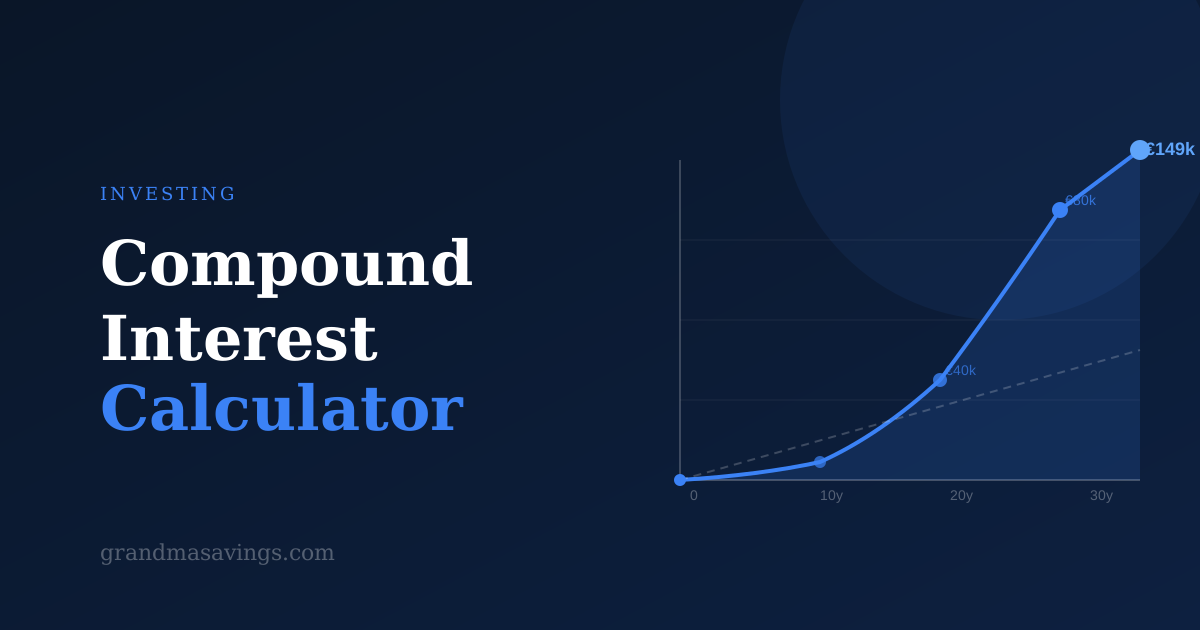
Compound interest is the most powerful force in personal finance — and the most misunderstood. This guide explains exactly how it works, how to use a compound interest calculator to project your savings, and why starting 10 years earlier beats doubling your contributions.
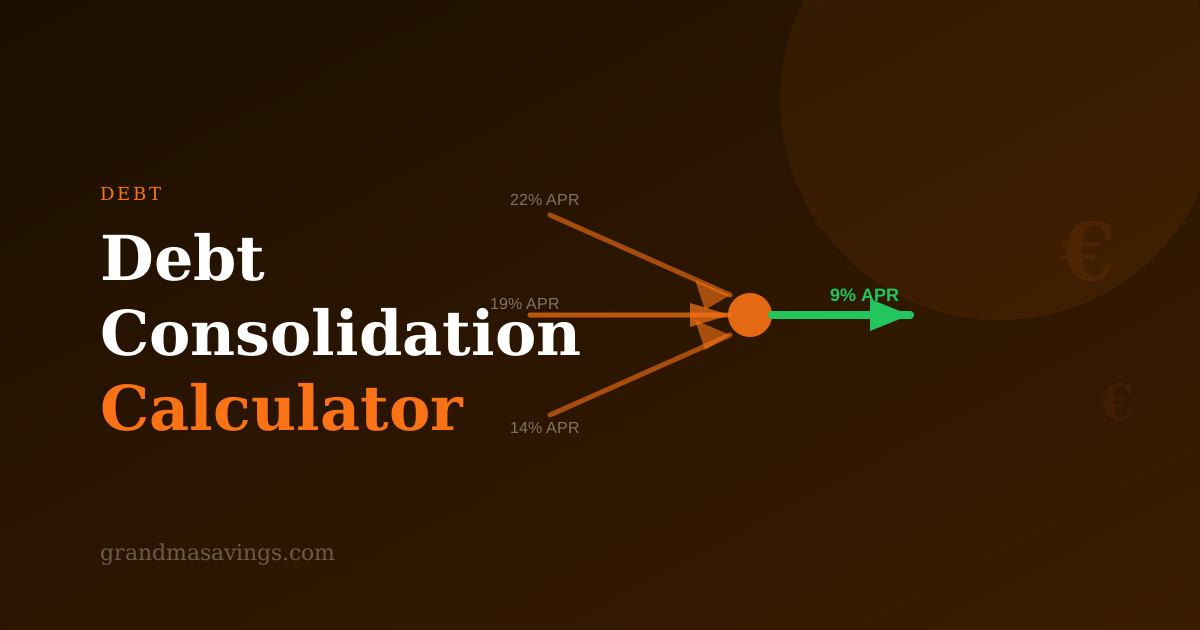
Debt consolidation sounds appealing — one payment, lower rate, less stress. But it's not always the right move. A debt consolidation calculator shows whether you'll actually save money or just rearrange the problem.
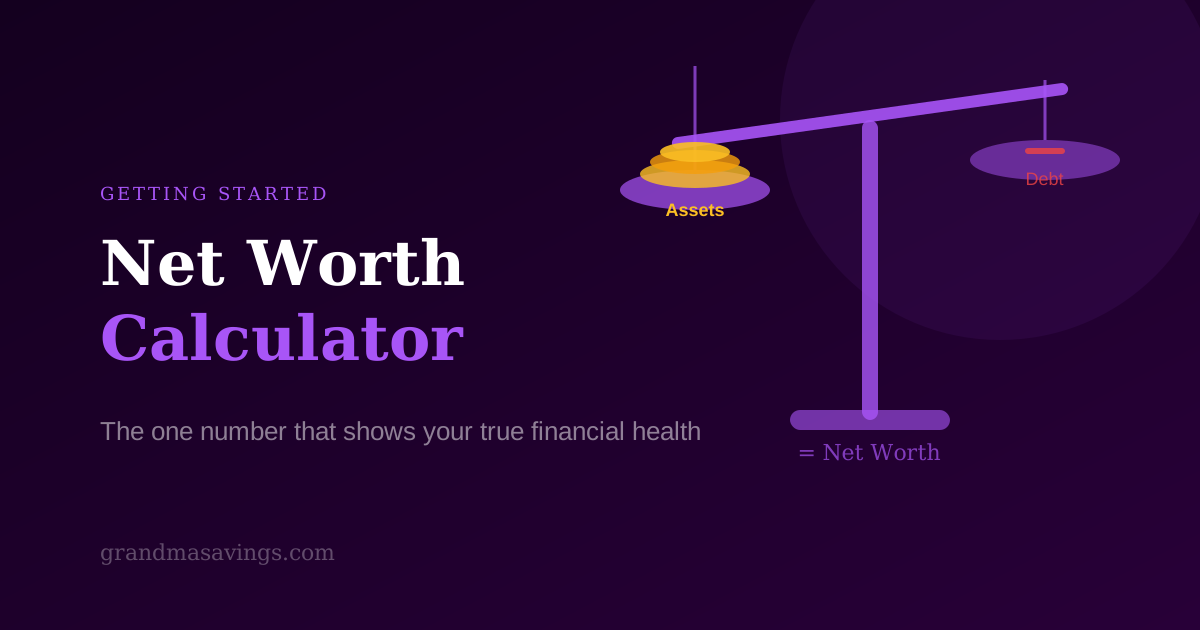
Net worth is the single most honest measure of your financial health — better than income, better than savings rate. Learn how to calculate yours, what it means, and the benchmarks that tell you whether you're on track.
University costs are rising faster than inflation. An education savings calculator shows exactly how much to save monthly to fully fund a college education — and the strategies that maximize every euro you put aside.
The standard advice says '3–6 months of expenses.' But that range is massive — and vague. An emergency fund calculator gives you a specific number based on your actual situation, job stability, and risk factors.
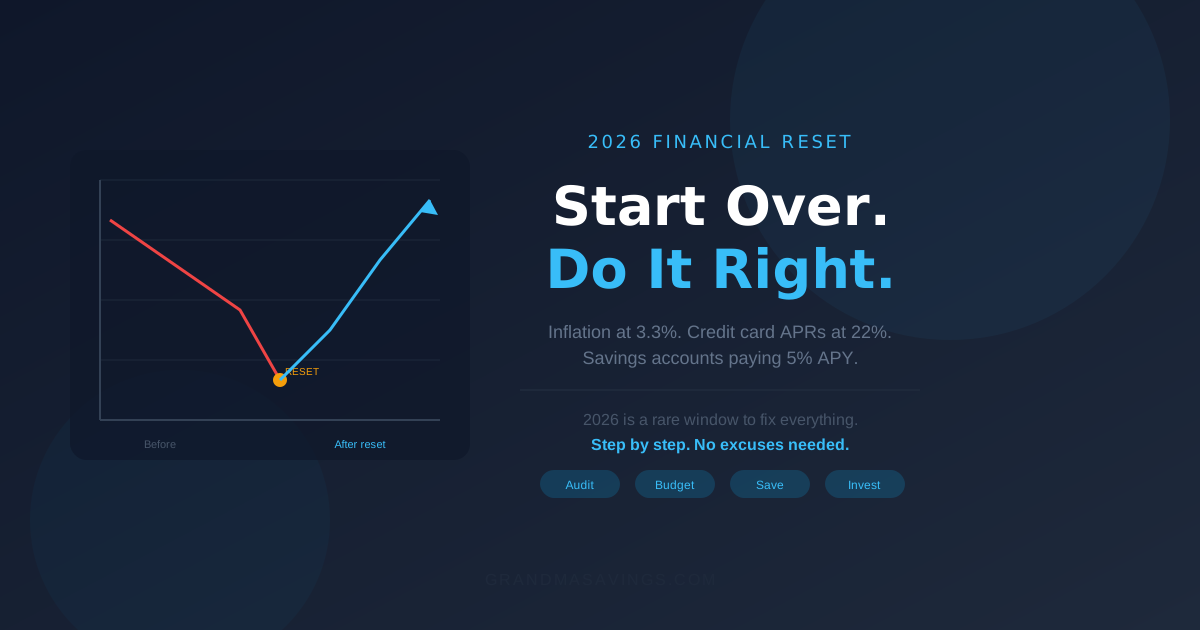
Inflation at 3.3%, credit card APRs above 22%, and savings accounts paying 5% APY. If your finances feel like a mess, 2026 is actually a rare window to reset. Here's the exact step-by-step plan.
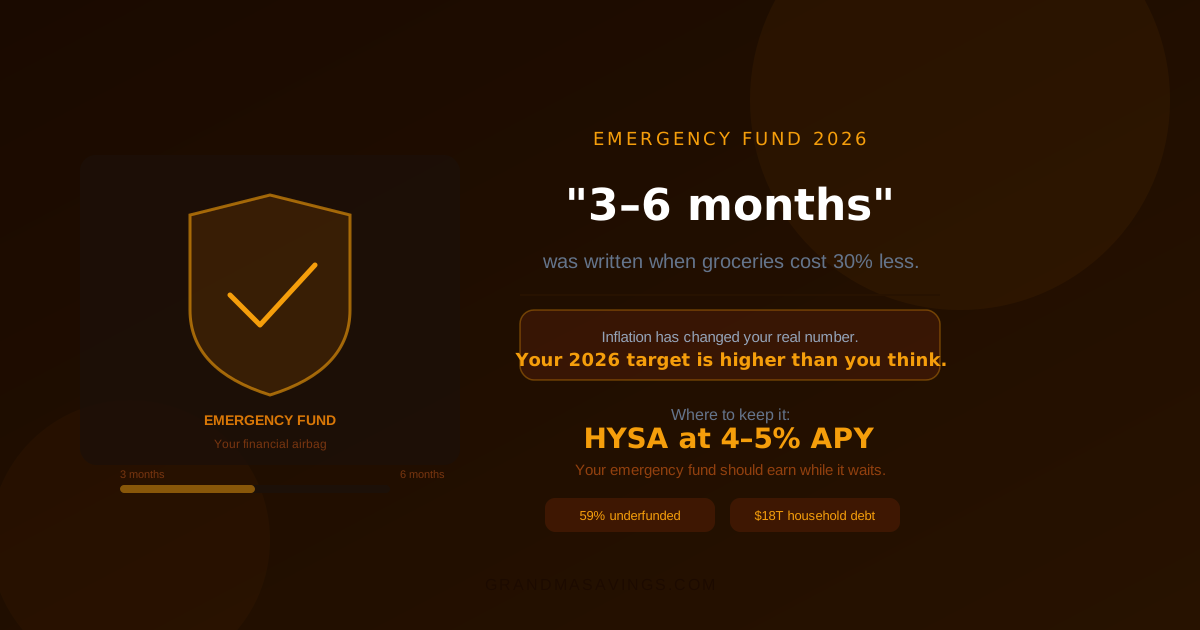
The old '3-6 months' rule was written when groceries cost 30% less. Here's how to calculate the right emergency fund size for 2026 costs — and where to keep it earning 4-5% APY.
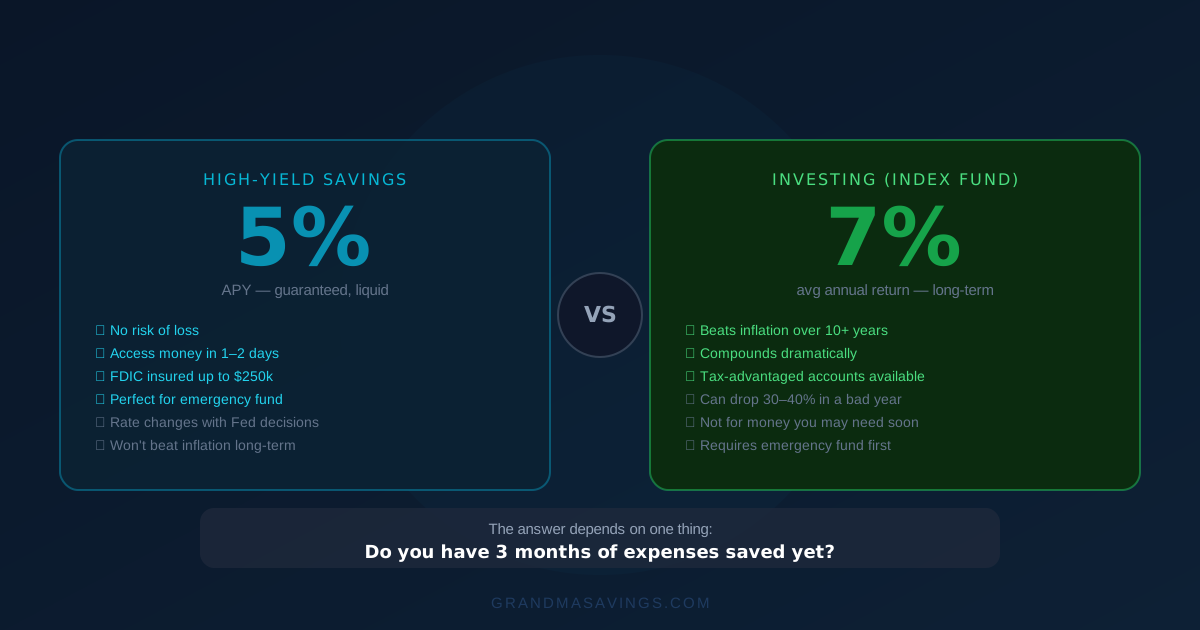
Savings accounts are paying 4-5% APY. The stock market historically returns 7-10%. So what do you do with your first $1,000? The answer depends on one thing — and it's probably not what you think.
111 million Americans carry a credit card balance at 22-24% APR. Here's the exact playbook to eliminate it — avalanche method, balance transfers, and how to stop the cycle for good.
47% of Americans can't cover a $1,000 emergency. If you're in that group, this is your step-by-step guide to saving your first $1,000 — and then your first $10,000 — starting with as little as $25/week.